Capabilities
The technical foundation behind every Dynflux solution.
Four capabilities combine to deliver the six Dynflux services. We select what the business problem requires and document how the pieces fit together.
Four capabilities, working together
- Data & Knowledge1,240 contracts indexed · sources linkedDone
- IntegrationWeb order synced to ERPDone
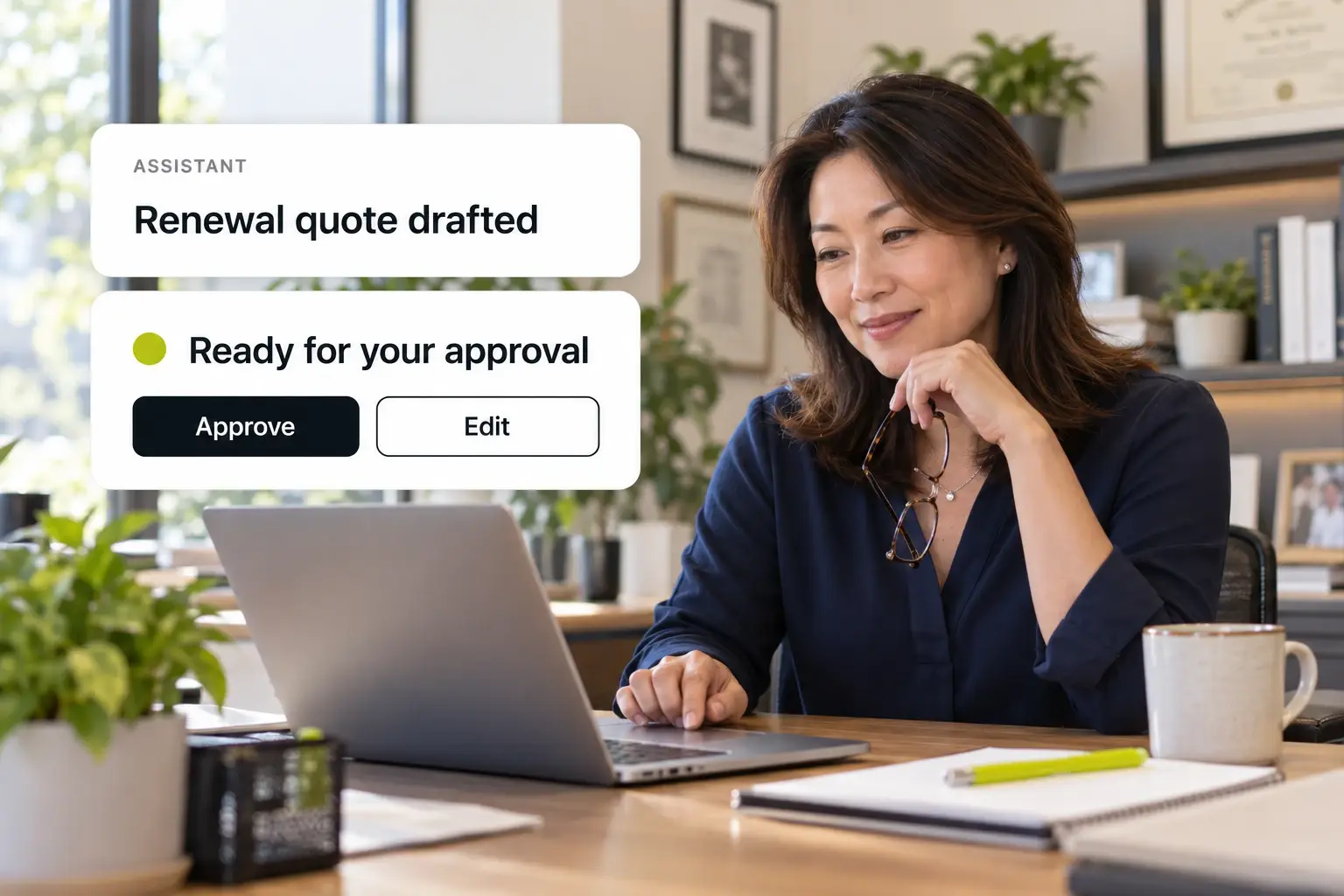
- Assistants & AgentsRenewal quote draftedDone
- Assistants & AgentsDraft reply · needs approvalNeeds a person
Illustrative examples, not client data.
Data & Knowledge Foundations
Make business information usable by people, workflows, and AI.
We organize the data and documents a specific business outcome requires, and establish the sources, structure, metadata, synchronization, access, and retrieval the use case needs.
May include
- Data pipelines
- Data preparation
- Document ingestion
- Structured and unstructured data
- Knowledge bases
- Enterprise search
- RAG
- Semantic retrieval
- Metadata
- Source attribution

Integration & Workflow Automation
Connect systems and move work between them.
We map triggers, steps, decisions, approvals, exceptions, and outputs, then connect applications and information so routine work can progress without losing human control.
May include
- Workflow design
- APIs
- ERP and CRM integration
- Accounting systems
- Microsoft 365
- Google Workspace
- Databases
- Email and forms
- Approvals
- Exception routing

AI Assistants & Agents
Build AI systems that can assist and take approved action.
We create focused assistants for employees, customers, operations, research, documents, communication, and other defined jobs, with the context, tools, limits, and escalation behavior their responsibility requires.
May include
- Voice assistants
- Customer assistants
- Internal assistants
- Email assistants
- Research agents
- Document agents
- Connected tools
- Drafting
- Summarization
- Recommendations
- Human-in-the-loop actions
Analytics & Machine Learning
Turn operating information into signals, forecasts, and decisions.
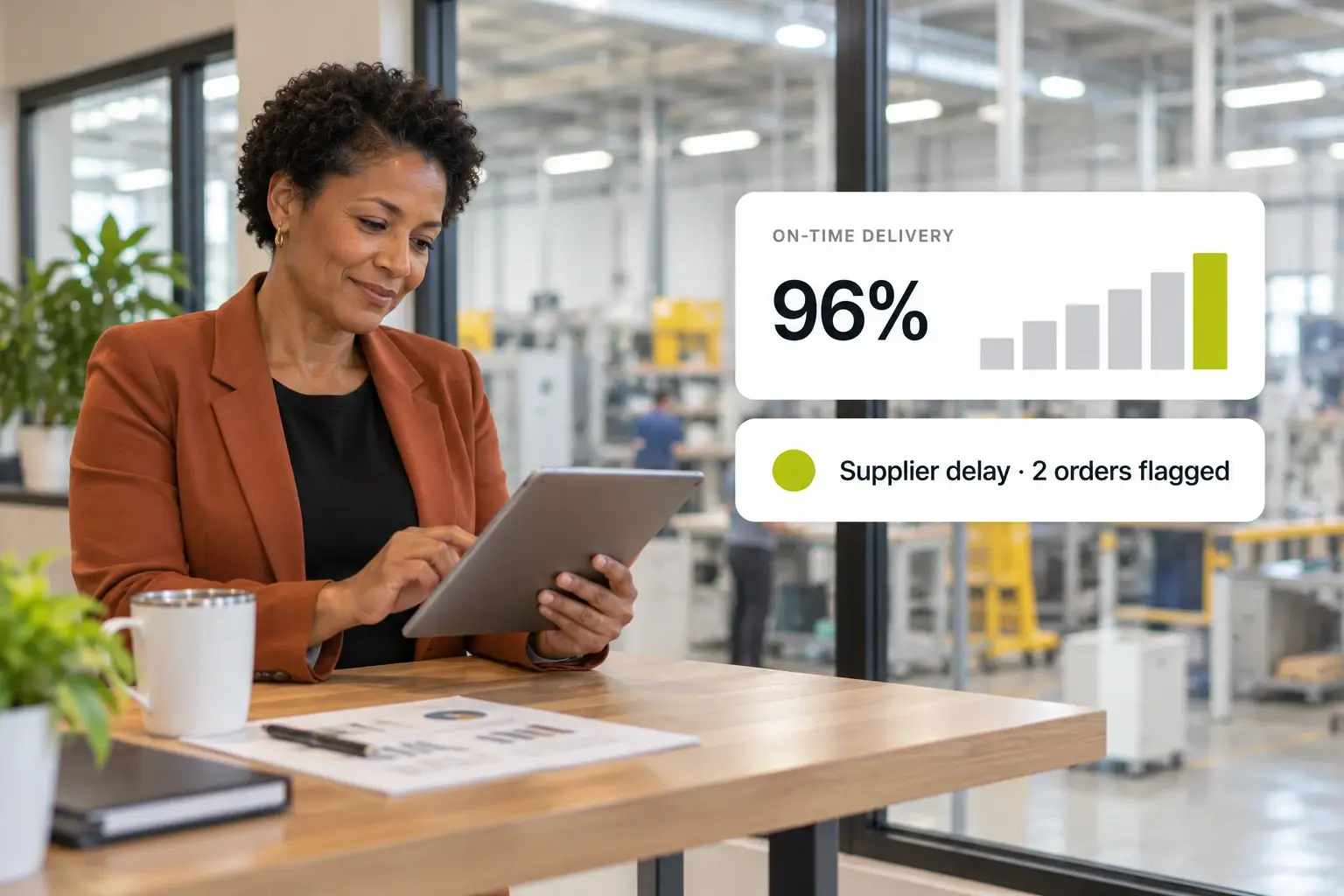
We connect relevant data, define useful measures, and present performance through reporting, dashboards, summaries, and alerts. Where the history is reliable enough, we train machine-learning models to forecast demand, score leads, flag churn risk, and catch unusual orders or transactions, and we check them against how the business decides today.
May include
- Dashboards
- KPI reporting
- Automated reports
- Reconciliation
- Cross-system analytics
- Forecasting
- Predictive models
- Lead and churn scoring
- Anomaly detection
- Classification
- Natural-language analytics
- Management summaries
FAQ